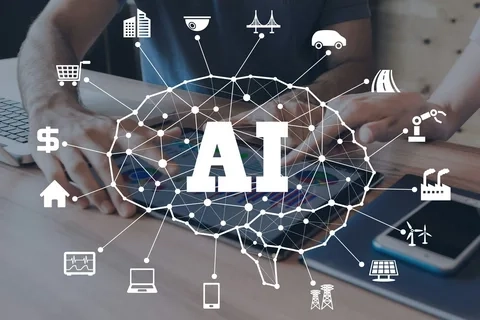
Artificial intelligence combined with digital marketing is unlocking extraordinary possibilities for tailoring customer experiences, automating tasks, and gaining profound insights. For marketers, it is vital to stay ahead of these trends.
AI tools are capable of analyzing large volumes of data to decipher customer behavior, which allows for the creation of highly personalized content, specific product recommendations, and targeted advertising strategies. This method fosters greater engagement and elevates conversion rates. Furthermore, AI automation takes care of repetitive tasks such as posting on social media, managing email marketing, and purchasing ads, giving marketers more time to focus on strategic initiatives.
Predictive analytics, fueled by AI, helps forecast market trends and customer demands, enabling marketers to make proactive adjustments to their campaigns. AI chatbots also play a significant role in improving customer service by offering immediate support and personalized help.
To thrive in this landscape, marketers need to prioritize continuous learning, experiment with AI technologies, and integrate them ethically into their practices. Understanding data privacy and ensuring transparency in AI usage is essential. By adapting to these advancements, marketers can unlock new levels of efficiency and personalization, leading to greater success.
Automation and Efficiency: Streamlining Marketing with AI Tools
AI-powered automation is transforming marketing efficiency by taking over repetitive and time-consuming tasks, freeing up human marketers for more strategic and creative endeavors. This streamlining impacts various aspects of digital marketing.
Artificial intelligence tools automate social media posting and scheduling, ensuring consistent brand presence across platforms. Email marketing benefits from AI through automated campaign triggers, personalized email content generation, and optimized send times based on user behavior. Programmatic advertising utilizes AI algorithms for real-time bidding and ad placement, maximizing reach and ROI with minimal manual intervention.
The Future of Engagement: AI-Powered Customer Interaction
AI automates tasks that are repetitive, such as scheduling and posting on social media. It streamlines email marketing through automated triggers and customized content. With programmatic advertising, AI enhances the efficiency of ad buying and placement. AI also assists in basic content creation, saving time for marketers. The processes of lead scoring and nurturing are made more efficient with AI. Marketing workflows are accelerated, leading to quicker campaign execution. The potential for human error in routine tasks is significantly minimized. This allows marketers to dedicate more time to strategic planning and creative projects. AI-driven automation makes resource allocation more effective. Campaign performance is improved through automation based on data insights. Initial customer service interactions are automated by AI chatbots. Reporting and analytics can be automated for quicker access to insights. Segmentation and targeting are more accurate and automated. Marketing teams can efficiently manage larger workloads
Understanding Customers Better: The Power of AI Analytics and Data-Driven Insights
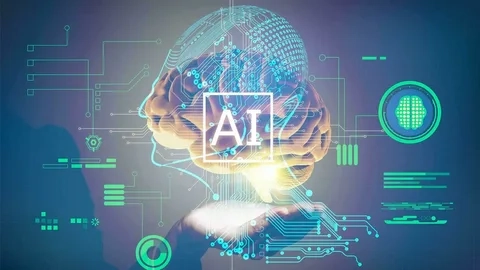
AI analytics is transforming the way marketers gain insights into their customers by analyzing extensive data from multiple sources. This technology enables the extraction of valuable insights that enhance marketing strategies. AI algorithms can evaluate user behavior on websites, social media engagement, purchase histories, and email interactions to create detailed customer profiles. This in-depth analysis uncovers trends, preferences, and challenges that traditional analytics may overlook. As a result, marketers can more accurately pinpoint key customer segments, allowing for highly targeted and personalized marketing campaigns. Predictive analytics, a vital aspect of AI, anticipates future customer actions, such as the likelihood of churn or intent to purchase. This capability facilitates timely interventions and tailored offers. Additionally, AI can reveal hidden relationships and trends within data, providing fresh insights into customer journeys and the effectiveness of campaigns. Moreover, AI-driven content creation tools can help generate basic content, allowing writers to concentrate on more intricate and sophisticated projects. The automation of lead scoring and nurturing processes ensures that sales teams receive well-qualified leads promptly.
Predictive Power: Forecasting Trends and Optimizing Campaigns with AI
AI’s ability to predict outcomes is transforming the landscape of digital marketing, empowering marketers to foresee trends and proactively refine their campaigns. By scrutinizing historical data and detecting patterns, AI algorithms can project future market dynamics, recognize emerging customer preferences, and assess potential campaign effectiveness. This insight allows marketers to modify their strategies before trends fully develop, giving them a competitive advantage. AI can pinpoint which customer segments are most likely to convert, enabling more strategic allocation of resources. It can also identify the risk of customer churn, facilitating proactive measures to retain key clients. In addition, AI evaluates campaign performance in real-time, forecasting which aspects are likely to thrive or falter. This capability supports the dynamic adjustment of ad creatives, targeting criteria, and bidding strategies, enhancing ROI while minimizing waste. By utilizing AI’s predictive abilities, marketers can transition from reactive tactics to forward-thinking planning, leading to more successful and efficient campaigns.